
Motorcycle accidents often result in significant physical injuries, emotional distress, and substantial financial burdens. Your injuries can consist of several elements, and when you can prove that someone else was at fault for the motorcycle accident, you become legally eligible to recover damages. In addition to medical expenses and lost earnings, you can also receive compensation for the intangible effects of your injuries, including pain and suffering.
Pain and suffering damages should compensate you for what you have endured since the accident. You may be in physical or emotional discomfort as a result of your motorcycle accident injuries.
At Langston & Lott, our experienced motorcycle accident attorneys know how to calculate your pain and suffering damages, as well as how to negotiate with insurance companies. We will work to pursue payment for everything you have lost.
Schedule Your Free Consultation
Key Takeaways About Motorcycle Accident Pain and Suffering Damages
- You have the legal right to damages for your pain and suffering after you have suffered an injury in a motorcycle accident.
- Pain and suffering damages are one of the more difficult aspects of your compensation, since they should compensate you for your own unique experience.
- Insurance companies try to use formulas to calculate your pain and suffering damages without regard for your own ordeal.
- You do not have to accept a settlement offer if it does not adequately compensate you for pain and suffering.
- You should speak to a motorcycle accident attorney today to learn more about your legal rights and how much compensation you may be eligible to receive.
What Are Pain and Suffering Damages?
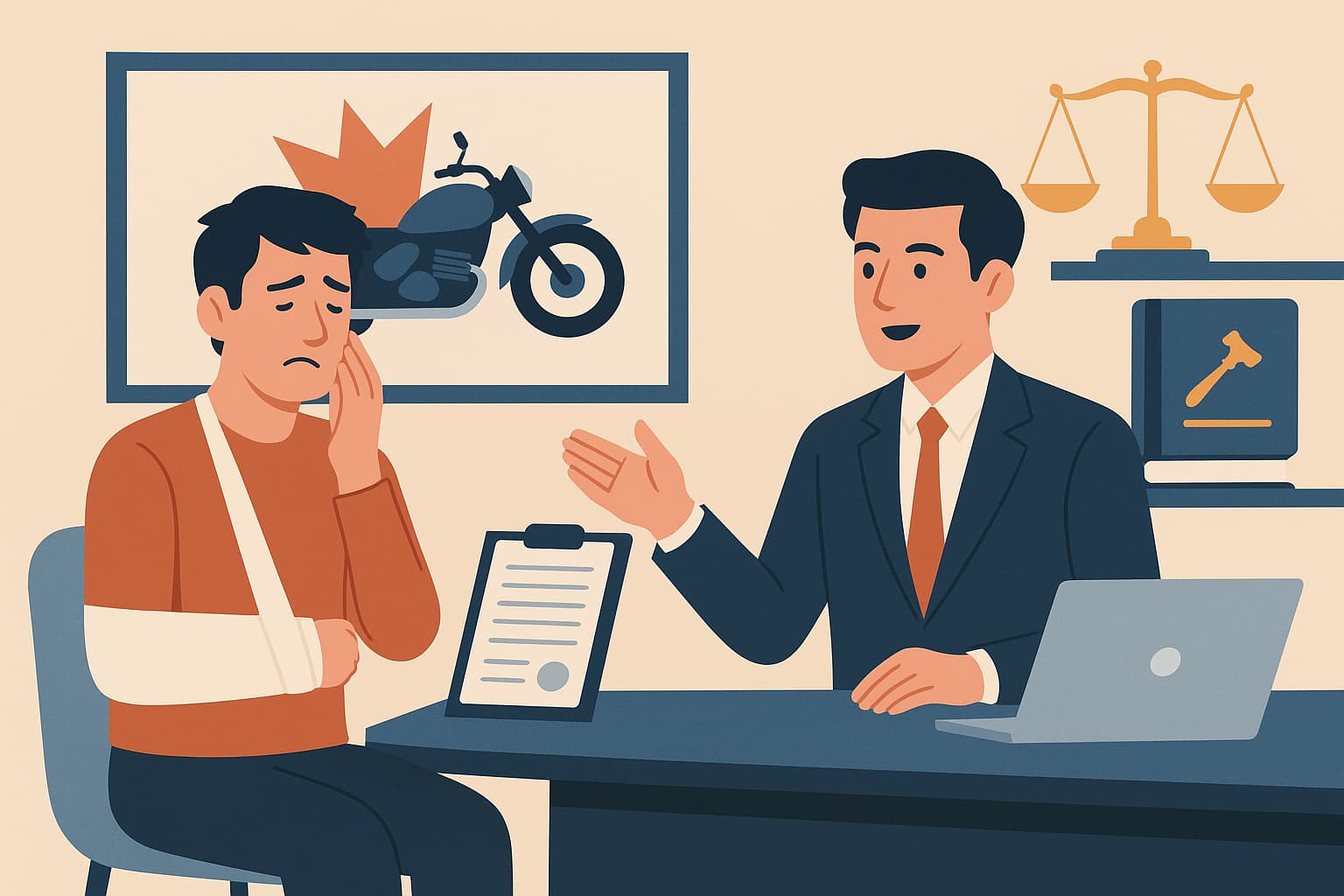
Pain and suffering damages are compensation in personal injury cases that cover the physical and emotional impact of an accident or injury. Unlike medical bills or lost earnings, which are tangible and easy to document, pain and suffering damages address the intangible losses that affect a person’s quality of life.
Physical pain includes immediate discomfort from injuries as well as ongoing or chronic conditions resulting from the accident. Emotional suffering can include anxiety, depression, fear, sleep disturbances, and the stress of dealing with medical treatment and recovery. Pain and suffering damages also cover loss of enjoyment of life, such as being unable to participate in hobbies, exercise, or daily activities that were once routine.
Because pain and suffering damages are inherently subjective, insurance companies and courts rely on evidence to evaluate their extent. This documentation can include medical records, testimony from doctors and therapists, personal journals, and statements from family or friends about how the injuries have affected daily life.
In short, pain and suffering damages aim to compensate for the overall impact of an injury, beyond just financial loss, but also the non-monetary consequences. They recognize that accidents can alter lives in profound ways, and that compensation for both the physical pain endured and the emotional hardships experienced during recovery and beyond is an important component of personal injury law.
Pain and Suffering Damages Include Both Past and Future Damages
Pain and suffering damages in a personal injury case should compensate for both past and future hardships resulting from an accident. Past pain and suffering refers to the physical pain, emotional distress, and lifestyle limitations you have already experienced since the incident. These hardships can include hospital visits, therapy sessions, days or weeks of discomfort, and the emotional toll of coping with an injury. Documentation such as medical records, therapy notes, and personal journals can demonstrate the impact of these past experiences.
Future pain and suffering covers the ongoing or permanent consequences of your injuries. For example, suppose you have a long-term disability, chronic pain, or limitations that affect your ability to work, exercise, or engage in hobbies. In that case, these losses are part of your claim. Predicting future pain and suffering often requires expert testimony from medical professionals who can explain the likely course of your recovery and the potential need for ongoing treatment.
By accounting for both past and future pain, the legal system seeks to provide a comprehensive recovery that reflects the full scope of your physical, emotional, and psychological losses. An experienced personal injury attorney can help calculate and advocate for compensation that comprehensively addresses both the immediate and long-term effects of your accident.
How Insurance Companies Calculate Pain and Suffering
When calculating pain and suffering damages, insurance companies often rely on formulas that simplify what is actually a very personal and subjective experience. These formulas attempt to assign a dollar value to physical pain, emotional distress, and loss of enjoyment of life, but they often underestimate what victims truly endure.
The most common method is the multiplier method. Under this approach, the insurer totals your economic damages, such as medical bills and lost earnings, and multiplies that amount by a number typically between 1.5 and 5. The chosen multiplier depends on how severe and permanent your injuries are perceived to be. For instance, a minor soft-tissue injury might receive a multiplier of 1.5, while a long-term disability or permanent impairment may justify a multiplier of 4 or 5. However, insurance companies frequently use the lowest possible multiplier to minimize payouts.
Another approach is the per diem method, which assigns a daily dollar amount to your pain and suffering, often based on your average daily earnings, then multiplies that amount by the number of days you experience discomfort. For example, if the insurer values your pain at $200 per day for 100 days, your pain and suffering claim will be $20,000. Again, the insurer controls the numbers and may set unrealistically low daily rates or timeframes.
While these formulas provide a starting point, they do not accurately reflect the actual emotional, physical, and psychological toll of an injury. They also ignore how an accident impacts your relationships, hobbies, and mental health. That is why having a skilled motorcycle accident attorney is crucial. An attorney can challenge the insurance company’s assumptions, provide supporting evidence from medical and psychological experts, and argue for fair compensation that accounts for the full extent of your suffering.
Pain and Suffering Damages Are Inherently Subjective
Pain and suffering damages are subjective by nature because they compensate for the personal, emotional, and physical impact of an injury, which are impossible to measure by objective standards or receipts. Unlike medical expenses or lost earnings, which people can verify with bills and pay stubs, pain and suffering depend entirely on how an injury affects your unique life, body, and emotions. Two people can suffer the same type of injury but experience very different levels of pain, emotional distress, or long-term impact.
This subjectivity often makes pain and suffering the most controversial part of a personal injury case. Insurance companies may try to downplay these damages by applying formulas or multipliers that do not capture your actual suffering. However, your pain is personal. It includes everything from chronic discomfort and limited mobility to anxiety, depression, and the loss of enjoyment of once-loved activities.
Because there is no fixed method for calculating these damages, your credibility and evidence are critical. Testimony from you, your loved ones, and your doctors helps paint a clear picture of what your life was like before and after the accident. Photos, therapy notes, and journals can also show the depth and duration of your suffering.
Schedule Your Free Consultation
You Must Have the Opportunity to Tell Your Story When Calculating Pain and Suffering Damages
When pain and suffering damages are part of your motorcycle accident claim, you must tell your story effectively. Unlike medical bills or lost earnings, damages for pain and suffering do not come with receipts or precise numbers. They represent the physical pain, emotional distress, and loss of enjoyment you have endured because of someone else’s negligence. To recover fair compensation, it is not enough to state that you have suffered an injury; you must show the impact your injuries have had on your daily life clearly and convincingly. You always have the burden of proof to show your damages, and pain and suffering damages are no different than any other type of loss that you are claiming in a personal injury case.
Your motorcycle accident lawyer will help you tell your story through evidence, testimony, and documentation that make your experiences real to an insurance adjuster or jury. You may include medical records that describe your limitations, statements from family or coworkers about how your life has changed, or even a personal journal that shows your day-to-day struggles and progress. Your attorney will push back when the insurance company is trying to dispute your damages.
Your Medical Evidence Helps You Prove Pain and Suffering
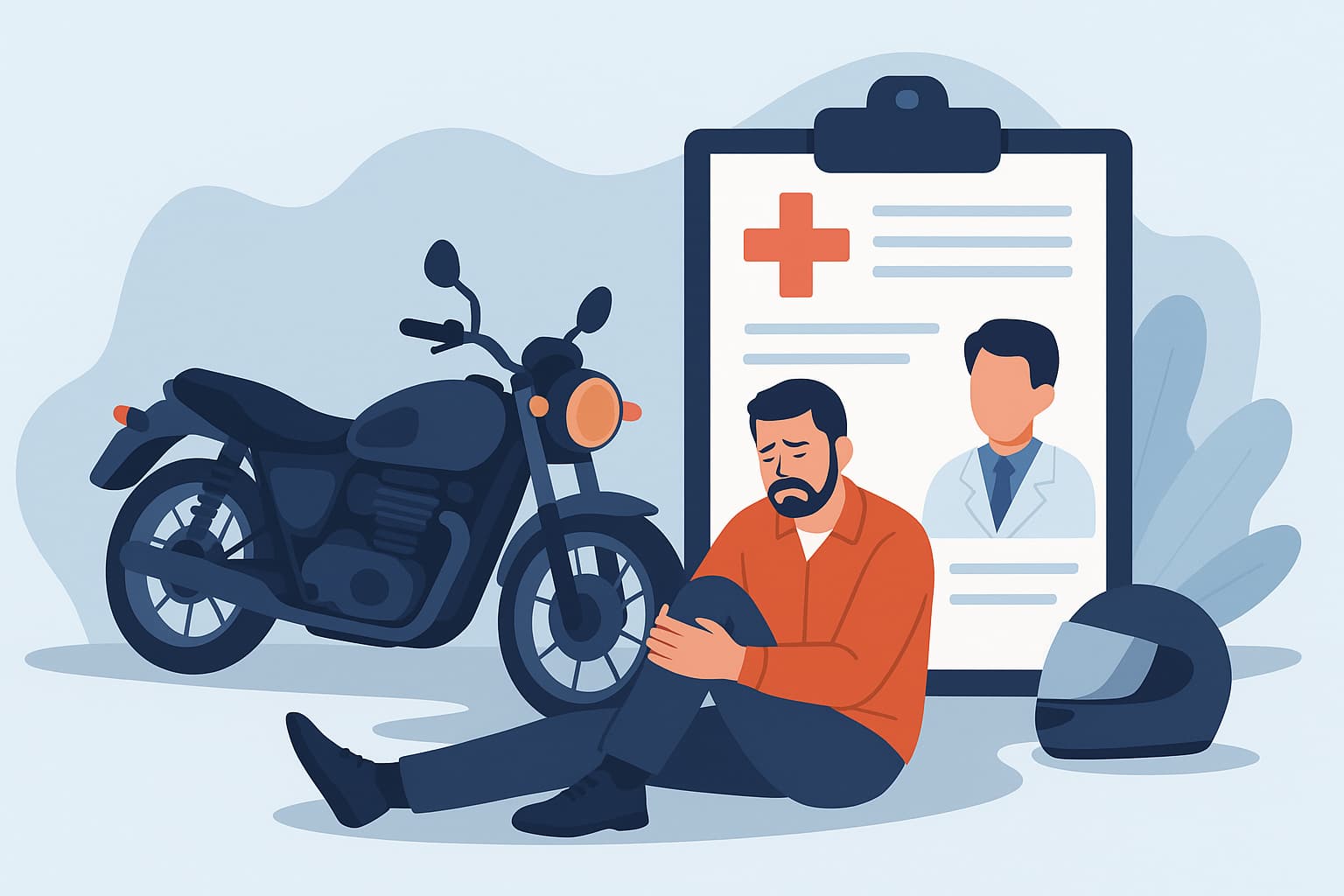
When seeking pain and suffering damages after an accident or personal injury, medical evidence can be one of your strongest tools in proving the severity and impact of your injuries. Unlike economic damages, which are easy to quantify with bills and receipts, pain and suffering damages are subjective. Insurance companies often undervalue these damages because they are less tangible. Medical records, however, provide objective documentation of your condition and can help substantiate your claim.
Detailed medical records showing diagnoses, treatment plans, surgeries, therapy sessions, and ongoing care demonstrate that your injuries are real and serious. Notes from doctors, physical therapists, or mental health professionals can also describe the physical pain, limitations, and emotional distress you have experienced. For example, a physician’s report stating that you have a reduced range of motion or chronic pain supports your claim of ongoing suffering.
Expert testimony can further strengthen your case by explaining the long-term impact of your injuries, anticipated recovery time, and any permanent limitations. This information helps insurance adjusters or a jury understand not only the immediate pain you endured but also the lasting consequences of your injury.
What to Do When the Insurance Company Will Not Pay
When the insurance company refuses to fully compensate you for pain and suffering, it is essential to take deliberate steps to protect your rights and maximize your recovery. Insurance adjusters often make lowball offers, aiming to minimize payouts rather than fairly compensate you for the physical pain, emotional distress, and lifestyle limitations caused by the accident. Accepting such an offer without evaluation can leave you undercompensated for losses that may continue long after the accident.
A skilled motorcycle accident lawyer can assess the scope of your injuries and calculate a fair value for your pain and suffering. They understand how to collect and present supporting evidence, such as medical records, therapist evaluations, personal journals, and statements from family or friends that document the impact of your injuries on daily life and long-term well-being.
Your attorney can then negotiate directly with the insurance company, challenging low offers with compelling evidence and presenting a reasoned demand for fair compensation. If negotiations fail, your lawyer can escalate the case to litigation, allowing a judge or jury to determine a fair award based on the total impact of your injuries.
Frequently Asked Questions About Pain and Suffering in Motorcycle Accident Cases
Are pain and suffering damages the same for everyone?
No. Pain and suffering damages are subjective. Two people with similar injuries may experience different levels of pain, emotional distress, and lifestyle limitations.
Can pain and suffering include emotional distress?
Emotional suffering can include anxiety, depression, sleep disturbances, and fear of riding again. A pain and suffering claim can consist of these damages.
Do I need a lawyer to pursue damages for pain and suffering?
While not a requirement, a motorcycle accident attorney can help quantify damages, present evidence effectively, and negotiate with insurers to pursue compensation.
Call a Motorcycle Accident Attorney Today
Acting strategically and working with legal counsel increases the likelihood that the insurance company will take your case seriously and fairly compensate you for your pain and suffering damages. Contact a motorcycle accident lawyer at Langston & Lott by calling us today at (662) 728-9733.
